
Blog > Creating a Sensory-Friendly Home: Focus on Lighting and Noise Reduction
Creating a Sensory-Friendly Home: Focus on Lighting and Noise Reduction
by
Creating a Sensory-Friendly Home: Focus on Lighting and Noise Reduction
Designing a sensory-friendly home can significantly enhance the quality of life for individuals with sensory sensitivities, such as those on the autism spectrum, or those who simply desire a more calming environment. Two crucial aspects of a sensory-friendly home are lighting and noise reduction. Let's dive deeper into these areas and explore practical ways to make your home more comfortable and welcoming.
Lighting: Creating a Calming Atmosphere
Lighting plays a vital role in setting the mood and creating a sensory-friendly environment. Here are some steps to achieve optimal lighting:
1. Use Soft, Adjustable Lighting
Bright, harsh lights can be overwhelming. Opt for soft, adjustable lighting options to create a soothing ambiance.
- Dimmer Switches: Installing dimmer switches allows you to control the intensity of light in each room. This can help in adjusting the lighting according to the time of day and personal preferences.
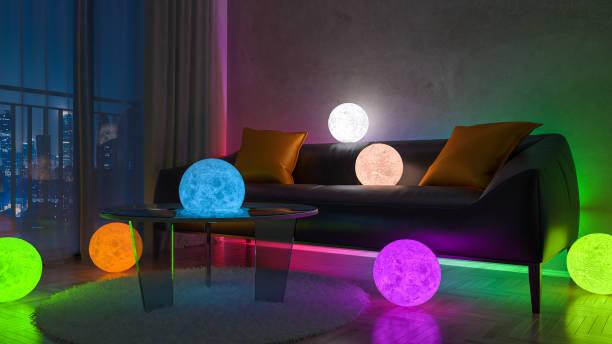
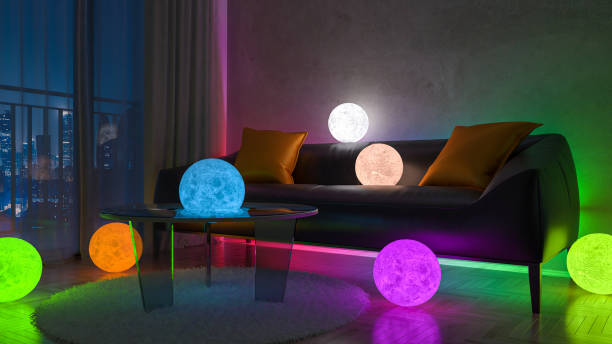
- Smart Bulbs: Smart bulbs can be adjusted for both brightness and color, offering flexibility in creating the perfect lighting environment.

2. Incorporate Natural Light
Maximizing natural light can have a calming effect and reduce the need for artificial lighting.
- Sheer Curtains: Use sheer curtains to allow natural light to filter in while maintaining privacy.
- Mirrors: Strategically placing mirrors can help reflect natural light and brighten up a room.
3. Reduce Glare
Glare from windows and screens can be distracting and uncomfortable.
- Anti-Glare Screen Protectors: Use anti-glare screen protectors on TVs and computer monitors.

Noise Reduction: Creating a Peaceful Environment
Unwanted noise can be particularly distressing for individuals with sensory sensitivities. Here are some ways to reduce noise in your home:
1. Soundproofing Solutions
Soundproofing can help minimize external noise and create a quieter indoor environment.
- Weatherstripping: Applying weatherstripping around doors and windows can reduce noise infiltration.
- Acoustic Panels: Installing acoustic panels on walls can absorb sound and reduce echo.
2. Use Soft Furnishings
Soft furnishings can help absorb sound and reduce noise levels.
- Rugs and Carpets: Adding rugs and carpets can significantly reduce noise by absorbing sound.
- Curtains: Thick, heavy curtains can block external noise and add an extra layer of sound insulation.

3. White Noise Machines
White noise machines can help mask disruptive sounds and create a more peaceful environment.
- White Noise Machines: These devices can produce soothing sounds to help cover up background noise.
4. Silicone Mats for Countertops
Reducing noise from everyday activities in the kitchen can be particularly beneficial. Silicone mats can be used on countertops to soften the impact of dishes and utensils, thus minimizing noise.
- Silicone Mats: These mats provide a cushioned surface that can help absorb the sound of dishes being placed on the countertop.
Conclusion
Creating a sensory-friendly home involves thoughtful consideration of elements like lighting and noise reduction. By implementing soft, adjustable lighting, maximizing natural light, reducing glare, soundproofing, incorporating soft furnishings, and using silicone mats for countertops, you can significantly enhance the comfort and tranquility of your home.
For personalized assistance and expert advice on finding or modifying a home to meet your sensory needs, contact Ken Alger at (612) 434-2477 or email kenalgerrealestate@gmail.com. Let's work together to make your dream home a reality in Minnesota! 🌟