

Blog > Renting With Dignity: A Practical Guide to Disability Rights, Reasonable Accommodations, and Accessible Housing in Minnesota
Renting With Dignity: A Practical Guide to Disability Rights, Reasonable Accommodations, and Accessible Housing in Minnesota
by

Renting With Dignity: A Practical Guide to Disability Rights, Reasonable Accommodations, and Accessible Housing in Minnesota
Finding a safe, stable home shouldn’t feel like a battle—yet for many renters with disabilities, navigating leasing policies, accessibility barriers, and misinformation becomes its own exhausting obstacle course. Here in Minnesota, where housing needs vary as widely as our communities—from Farmington to Saint Paul, from Dakota County to the Iron Range—it’s critical that tenants understand the protections already in place and how to use them confidently.
This guide breaks down the rights of renters with disabilities, how to request reasonable accommodations, the truth about service animals and ESAs, and real resources for help. It’s education, not legal advice—because informed renters create stronger, more inclusive communities.

1. Your Core Housing Protections as a Renter With Disabilities
Across the Twin Cities metro, Greater Minnesota, and nationwide, three federal laws form the backbone of disability protection in housing.
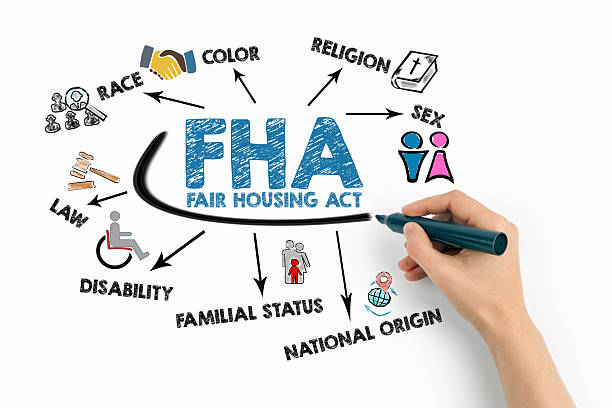
The Fair Housing Act (FHA)
The FHA prohibits discrimination in:
-
Leasing
-
Applications
-
Advertising
-
Rules, fees, and policies
-
Harassment or retaliation
Under the FHA, you are legally entitled to:
-
Reasonable accommodations (changes to rules)
-
Reasonable modifications (changes to your unit)
If a policy prevents you from fully using your home, the law is on your side.
Americans with Disabilities Act (ADA)
While the ADA doesn’t govern private housing units, it does apply to:
-
Rental offices
-
Public/common spaces
-
Government-owned or operated properties
This is why apartments across Minnesota must keep leasing areas accessible.
Section 504 of the Rehabilitation Act
This applies to housing that receives federal funding—including many local programs and Section 8 options. It requires accessible structures, prompt accommodations, and equal program access.

2. Minnesota-Specific Disability Housing Protections
Minnesota has one of the strongest anti-discrimination frameworks in the country.
Minnesota Human Rights Act (MHRA)
Under the MHRA, landlords may not:
-
Deny applications because of disability
-
Enforce rules that target disability-related needs
-
Refuse reasonable accommodations
-
Retaliate against a tenant who requests one
Local ordinances—especially in Saint Paul, Minneapolis, and some Dakota County jurisdictions—reinforce maintenance standards, anti-retaliation protections, and tenant rights.
Whether you're renting in Farmington, Burnsville, Eagan, Duluth, Virginia, or anywhere in between, the MHRA applies statewide.
3. How to Request a Reasonable Accommodation (And What It Really Means)
A reasonable accommodation is a simple change that allows a tenant with a disability to enjoy their home like anyone else. And importantly—you don’t need legal jargon to ask for one.
Common accommodation examples
-
Reserved parking close to your entrance
-
Permission to have a service animal or ESA
-
Flexible notice for move-outs when disability requires it
-
Allowing electronic or written communication for accessibility
-
Adjusting policies around visitors, deliveries, or access needs
How to write an accommodation request
Keep it straightforward:
-
State that you have a disability (no diagnosis required).
-
Say what accommodation you need.
-
Explain how it supports your ability to use or access your home.
Example:
“Because of my disability, I need a designated parking space near my building so I can safely access my apartment.”
What landlords are allowed to ask
Allowed:
-
Limited verification only when the disability is not obvious
-
Confirmation from a qualified professional
Not allowed:
-
Diagnosis
-
Detailed medical records
-
Severity or symptoms
-
Proof of treatment
-
“Disability certification”
Landlords must respond promptly and cannot punish you for requesting an accommodation.
4. Reasonable Modifications: When You Need Physical Changes
A reasonable modification is a structural adjustment such as:
-
Grab bars
-
Ramps
-
Lowered counters
-
Doorway widening
-
Visual alarms
-
Lever handles
Tenants may be responsible for cost in private housing, but many grants can offset or fully cover these expenses—especially in Minnesota.
Landlords must allow the work if it's reasonable and professionally completed.

5. Service Animals and ESAs: What Minnesota Renters Need to Know
This is one of the most misunderstood areas in real estate, so let’s clear the air.
Service Animals
Under ADA & FHA:
-
Must be a dog (or miniature horse in rare cases)
-
Must be trained to perform a disability-related task
-
Are not pets
Landlords cannot charge fees, deposits, or pet rent.
Emotional Support Animals (ESAs)
Protected under the FHA:
-
Do NOT require specialized training
-
Must be supported by a legitimate healthcare professional
-
Are exempt from pet fees
There is no national or state registry
No matter what a website claims:
-
There is no federal database
-
No Minnesota registry
-
No “official certification”
Any website selling ESA certificates or “service animal licenses” is not legally recognized.
What landlords cannot do
-
Charge pet rent or deposits for service animals or ESAs
-
Demand training documents
-
Restrict ESA or service animals based solely on breed
-
Deny housing because other tenants "don’t like animals"
If the need is real and documented, the landlord must accommodate it.

6. When Accommodations Are Not Allowed
Accommodation protections are strong, but they’re not limitless.
They cannot be used to:
-
Avoid paying rent
-
Break a lease without cause
-
Demand upgrades unrelated to disability
-
Request unsafe or structurally unreasonable changes
-
Claim an ESA without a legitimate disability-related need
Every request must be tied to accessibility—not preference.
7. Verified Resources for Minnesota Renters With Disabilities
These are legitimate, actionable, and recognized programs—not the scammy ESA websites that plague the internet.

Federal & National Resources
HUD Disability Rights Portal
https://www.hud.gov/program_offices/fair_housing_equal_opp/disability_main
HUD Accessibility FIRST
https://www.huduser.gov/portal/FHAccessibilityFIRST.html
National Disability Rights Network
https://www.ndrn.org
ADA Information Hotline
https://www.ada.gov/infoline.htm
Housing Modification Grants and Assistance
HUD Modification Grants
Available through:
-
Community Development Block Grants (CDBG)
-
HOME Program funding
Ask your local Minnesota housing agency for open applications.
Rebuilding Together
https://rebuildingtogether.org
Helps low-income disabled homeowners and renters with accessibility modifications.
National Home Modification Resource Center
https://homemods.org
Minnesota-Specific Programs
Minnesota Housing Finance Agency (MHFA)
https://www.mnhousing.gov
Offers:
-
Accessibility loans
-
Ramp and entryway modification grants
-
Bathroom and mobility modifications
Centers for Independent Living (CILs)
For example:
Metropolitan Center for Independent Living (MCIL – Saint Paul)
https://mcil-mn.org
Provides:
-
Housing advocacy
-
Accessibility assistance
-
Independent living services
Minnesota Disability Law Center
https://mylegalaid.org
Helps with discrimination, access disputes, and fair housing complaints.
Service Animal & ESA Guidance
Assistance Dogs International
https://assistancedogsinternational.org
Directory of legitimate, credentialed service-dog trainers.
Proper ESA Documentation
Must come from a licensed mental health professional with a real therapeutic relationship—not an online checkout form.

8. Why This Matters for Real Estate Professionals in Minnesota
Housing is more than a transaction—it’s a foundation for stability, dignity, and autonomy. Real estate agents, property managers, landlords, and community leaders have a responsibility to:
-
Normalize disability-related accommodations
-
Educate tenants on their rights
-
Push back against misinformation
-
Encourage accessible design and universal housing practices
-
Advocate for inclusive communities across Minnesota
When renters understand their rights and have access to the tools they need, the entire community benefits.

Final Thoughts
Accessible housing isn’t a luxury—it’s a civil right. Whether you’re renting in Farmington, navigating competitive markets in Saint Paul or Minneapolis, or searching for a place in Duluth, Virginia, or anywhere else in Minnesota, you deserve housing that respects your needs without question.
If you’re seeking guidance on accessible rentals, housing programs, or disability-friendly resources across Minnesota, I’m always here to help. Text KARE to 85377 or email me at kenalgerrealestate@gmail.com.