

Blog > What Is Refinancing?
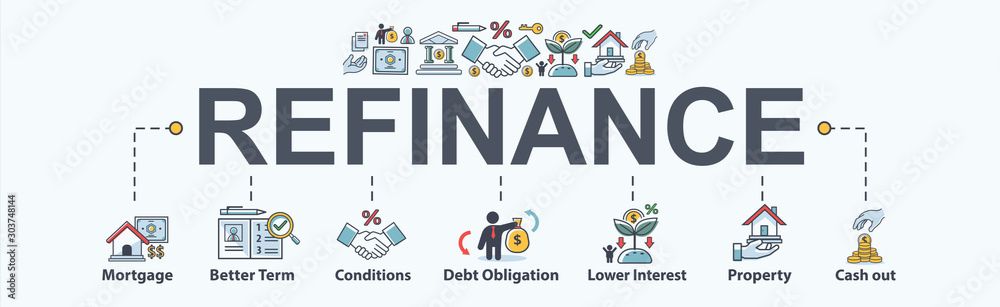
Refinancing a home mortgage is a term that often gets thrown around in the real estate world, but many people are not entirely sure what it entails or how it can benefit them. In this blog post, we will delve into the concept of refinancing and explain what it means for both buyers and sellers.
For buyers, refinancing refers to the process of replacing an existing mortgage with a new one. This could be done to take advantage of lower interest rates, to reduce monthly payments, or to shorten the loan term. So, how does one go about refinancing their home mortgage?
Firstly, it's important to determine whether refinancing is the right move for you. Assess your current financial situation and decide if the potential benefits outweigh the costs. Interest rates play a significant role in this decision-making process. If rates have dropped since you initially obtained your mortgage, refinancing could offer you the opportunity to secure a better rate and save a significant amount of money over the life of the loan.

To initiate the process, you would typically reach out to your preferred lender or mortgage professional. They will guide you through the necessary steps and help you gather all the required documentation, such as income verification, credit history, and property appraisal. These documents will be essential in determining your eligibility for refinancing.
Once you have gathered all the necessary paperwork, the lender will evaluate your financial standing to determine if you meet their criteria. This evaluation includes an assessment of your credit score, debt-to-income ratio, and loan-to-value ratio. In layman's terms, they will review your ability to repay the loan, the value of your property, and the remaining balance on your mortgage.
If you meet the lender's requirements, you will proceed to the next phase: closing the loan. This involves signing the necessary documents and paying any associated fees, such as closing costs. These costs can vary, so it's crucial to understand them fully before proceeding. It's worth noting that refinancing does come with a cost, so it's essential to carefully consider the potential savings against the fees and how long it will take to recoup those costs.

For sellers, the concept of refinancing may not be as directly applicable as it is for buyers. However, understanding the process can still be valuable knowledge. As a seller, refinancing can be a useful tool to leverage when preparing your property for sale. By refinancing, homeowners can potentially tap into their home equity and use the funds for renovations or repairs, making their property more marketable.
Additionally, sellers who are buying a new home may want to consider refinancing if interest rates have dropped significantly. Lowering their monthly mortgage payments can free up additional funds to put towards their new property or improve their financial situation overall.
In conclusion, refinancing a home mortgage is a crucial financial decision with potential benefits for both buyers and sellers. By thoroughly understanding the process, assessing your financial standing, and considering current market conditions, you can determine whether refinancing is the right move for you. Remember, it's always advisable to consult with a mortgage professional who can guide you through the intricacies of the refinancing process and help you make informed decisions about your real estate investments.
If you're looking for a good refinance option, watch this video on New American Funding's 5 Year Protection Pledge:
If you need help getting in touch with a good lender with good refinancing options, contact me today by texting KARE to 85377 or email me at kenalgerrealestate@gmail.com